Guide
Between two sizes: measure the garment, read the fabric, and stop guessing
Nobody is one size across a whole wardrobe, and no chart on a screen will tell you how a dress sits on your shoulders. Two measurements and one rule about knits and wovens get you most of the way there.
Published 6 September 2026 · 14 minute read · sources read 6 September 2026
Start with the piece
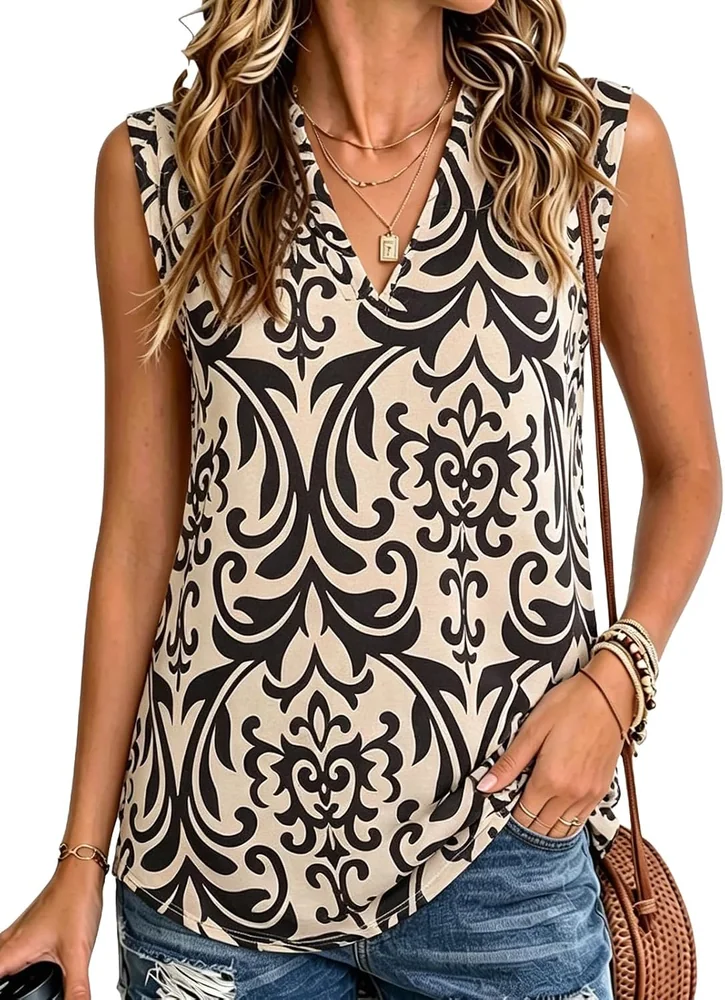
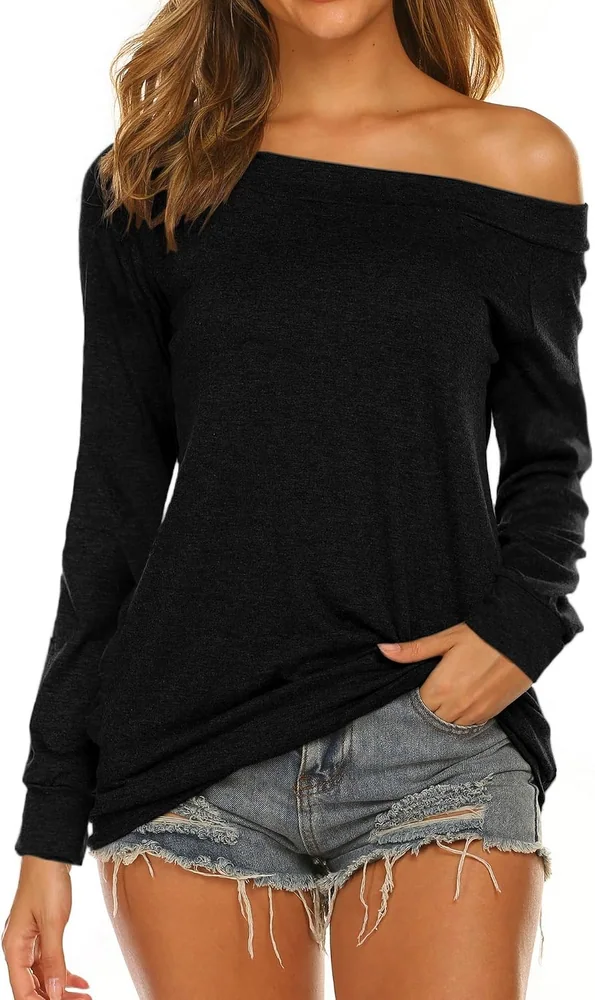
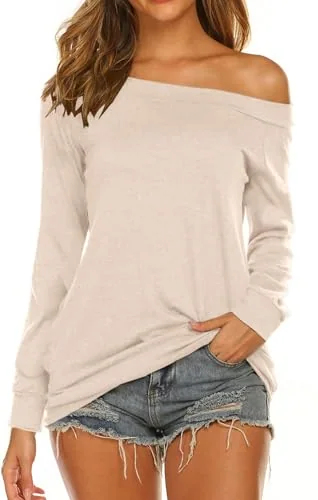
Halife tops this guide is about
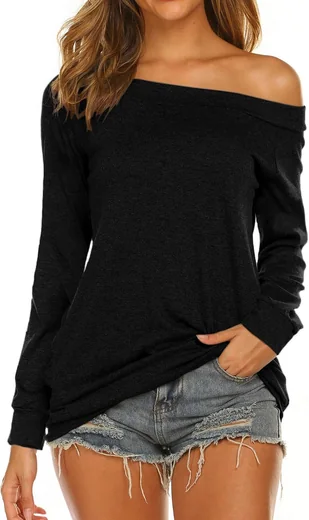
Long-Sleeve Boat Neck Blouse, Black
long sleeve · boat neck · loose fit
4.3 out of 5 · 17,727 ratings
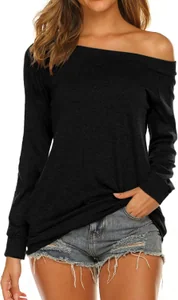
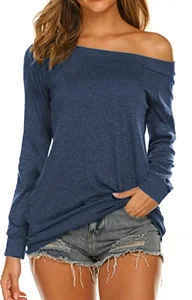
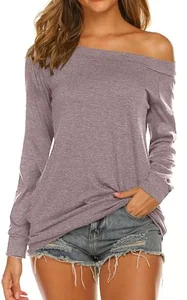
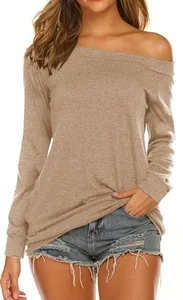
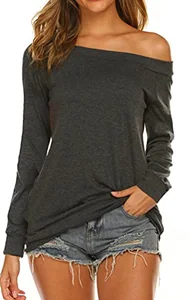
Size S only in this colour
$14.99

Long-Sleeve Boat Neck Top, Black
long sleeve · boat neck · loose fit
4.3 out of 5 · 17,727 ratings
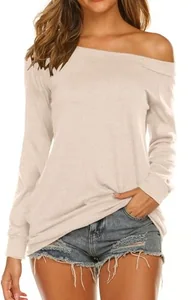
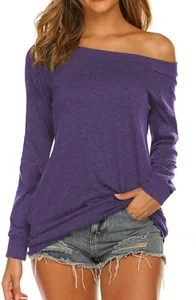
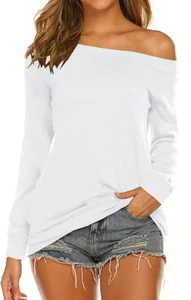
$16.99
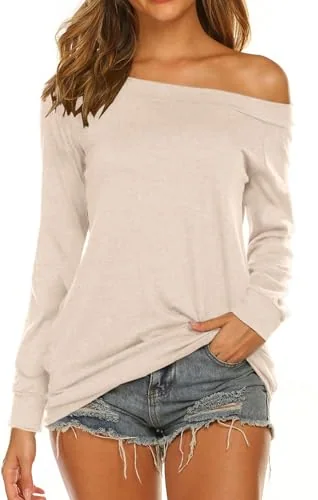
Long-Sleeve Boat Neck Top, Cream
long sleeve · boat neck · loose fit
4.3 out of 5 · 17,727 ratings
Size XL only in this colour
$18.99
The question that arrives most
Of every message that reaches the Halife studio, the same one arrives more than any other, in almost the same words: I am usually a Large but sometimes a Medium, which should I order? It is a fair question and it has a real answer, but the answer is never a number. It is a method, and the method takes about five minutes with a tape measure and something you already own.
The reason a single number cannot work is that women's sizing in the United States has no binding standard behind it. There is no rule that says a Large must measure a particular chest, the way there is a rule about what a care label has to say or what a fibre content label has to disclose. Two labels can both print Large on a garment and cut them three inches apart, and both are within their rights.
What the label does have to tell you, by rule, is what the garment is made of. That turns out to be the fact that settles most sizing questions, and this guide is mostly about how to use it.
Why the letter on the tag means nothing
It is worth understanding why the letter is unreliable, because it explains why the method below works and why a competitor's chart will not help you here.
American women's sizing grew out of a survey conducted in the 1940s on a volunteer sample, published as a commercial standard, and withdrawn decades ago. Nothing replaced it with any force. What exists today is a voluntary technical standard that a brand may follow, adapt or ignore, and most adapt. A label that sells to a younger market grades its Medium smaller. A label that sells to a broader one grades it larger. Both print Medium.
Then there is the second layer of drift: the same brand changes its own grading over years, quietly, as its customers change. A dress bought from any label in 2014 and the same size from the same label today are frequently not the same garment.
None of this is scandalous and none of it is fixable by us. It is simply why the only stable number in the whole system is the one you measure yourself, off a garment lying flat on a table.
Measure the garment, not yourself
Start with the counterintuitive part. Do not measure your body over clothes with a soft tape and a mirror. Measure a garment you already like, flat on a table, and compare numbers to numbers. Body measurements taken at home vary by an inch depending on how you hold the tape and how much you breathe in. A garment lying flat does not move.
The first number is the bust. Lay the top or dress flat, fasten it if it fastens, and measure straight across from armhole seam to armhole seam, about an inch below the armpit. Double it. That is the garment's bust circumference and it is the single number that decides whether a top works.
The second number is the length. From the highest point of the shoulder seam straight down to the hem. This is the one that answers the questions a chart never does: whether a tunic covers the seat over leggings, whether a maxi will read as ankle length or floor length on your frame, whether a cover-up clears a chair.
Two numbers, thirty seconds, written on your phone once. Then every time you look at a garment on a screen you have something to compare against rather than a guess.
A third number helps for skirts and anything with a waistband: the flat waist measurement, relaxed, and again doubled. On elastic waists take it relaxed rather than stretched, because relaxed is how it will sit for the first hour and stretched is where it ends up by dinner.
Knit or woven decides it
Here is the rule that does most of the work, and the whole of this guide could be compressed into it: when you are between two sizes, take the smaller one in a knit and the larger one in a woven.
A knit is made of loops. A jersey tee, a jersey dress, a light cardigan: pull it sideways and it stretches, let go and it comes back. Between two sizes, the smaller one in a knit will still go on and will look intentional. The larger one will not shrink to fit, and a knit with too much width in it reads as slept in.
A woven is made of threads crossing at right angles. A poplin shirt dress, a chiffon blouse, a linen cover-up: pull it sideways and nothing happens. There is no give to borrow, so a woven that is a half inch too small pulls at the button placket, gapes at the bust and creases across the back within an hour. The larger size is the one that works, every time.
| What you are looking at | How it behaves | Between two sizes | What goes wrong otherwise |
|---|---|---|---|
| Knit tops and tees | gives across the bust, springs back | take the smaller size | a knit that is too big looks slept in |
| Jersey and swing dresses | gives, then drapes | take the smaller size | extra width falls as folds, not as room |
| Cardigans and dusters | gives, worn open | usual size | size up only to close it over a thick top |
| Woven blouses and shirt dresses | no give at all | take the larger size | a tight woven pulls at the button placket |
| Cover-ups | cut generous already | usual size | sized down it stops being a cover-up |
| Elastic-waist skirts and shorts | gives at the waist only | smaller to sit at the natural waist | the hip measurement still decides |
Almost everything else in this guide is a refinement of that table. If you read no further, that table is enough.
What the fibre percentages tell you
How do you tell a knit from a woven on a screen, and judge how much give it has? The fibre content, which is on the label because it has to be. The federal rule on textile labelling is specific about what must appear:
The generic names and percentages by weight of the constituent fibers present in the textile fiber product, excluding permissive ornamentation, in amounts of 5 percent or more
16 CFR 303.16, Electronic Code of Federal Regulations, read 6 September 2026
Percentages by weight, in order of predominance, for anything that makes up five percent or more. That is a short sentence with a lot in it. It means the small percentage at the end of the list, the one most people skip, is there by law and is usually the one that matters for fit.
Spandex, or elastane, is the fit number. Two to five percent turns a woven into something with a little recovery: a shirt dress that gives at the bust when you reach forward. Five percent and up in a knit is what makes a top hold its shape through a day rather than growing at the elbows. Zero spandex in a woven means the garment measures what it measures and nothing more.
Rayon and viscose drape and grow. A rayon jersey is soft in the hand and hangs close, and it also relaxes over a day of wear. On this bench that is an argument for the smaller size.
Cotton shrinks, then stops. A cotton knit loses a little in its first hot wash and then behaves. Cotton blended with polyester barely moves at all.
Linen creases and softens. It also breathes better than anything else in a Charleston August, and the studio keeps buying it despite the creasing.
On our pages the fibre line appears when the label states it and is absent when the label does not. 19 pages on this site print a cotton percentage and 1111 print stretch or spandex. Where you see neither, the label was silent and we did not fill the gap.
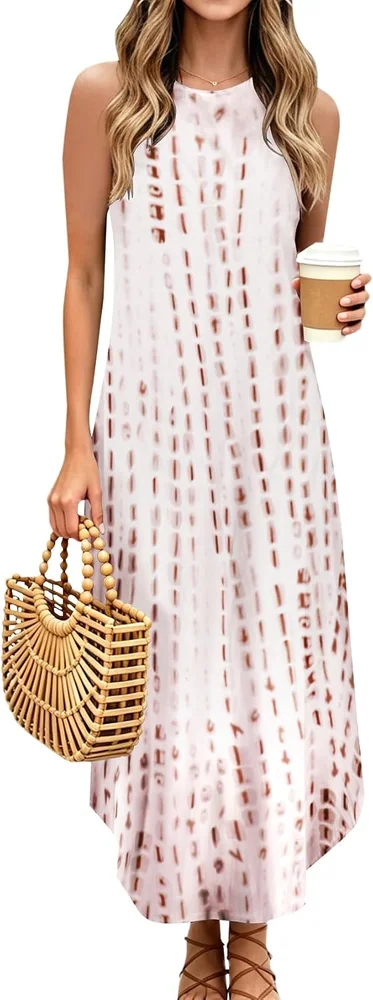
Ease, the number nobody prints
Ease is the difference between the body and the garment. A fitted blouse might have two inches of ease at the bust, a relaxed one six, a cover-up ten or more. Nobody prints it, and it is the reason two garments with the same size letter feel completely different.
You can read ease off a photograph if you know what to look for. Where does the side seam fall relative to the body? Does the fabric break into folds at the waist, or does it follow the shape? Is there a visible gap between the arm and the body at the armhole? A garment photographed with folds at the waist has ease in it, and ease is forgiving of a size either way.
Halife patterns are cut with ease deliberately, because heat is the climate we design for and a close fit in July is a bad idea. That is also why our advice for people between sizes leans toward the smaller size more often than not: there is already room built into the pattern.
The three places a size goes wrong
When a garment does not work, it is almost always one of three places, and each has a different fix.
The bust. The most common failure and the easiest to predict. If the flat bust measurement of a garment is less than your own bust measurement plus two inches, it will be close-fitting. Less than plus nothing, and it will pull. For a woven with no stretch, add three inches to your own measurement and look for that number.
The shoulder. The one nobody checks and the one that cannot be fixed. If the shoulder seam of a garment sits well down your upper arm when the rest fits, the pattern is not for your frame, and no size will fix it, because sizing up moves the seam further out. This is why we say the shoulder is where a pattern either suits you or does not.
The length. Fixable and predictable. A dress cut for a five foot six frame reads two inches shorter on a five foot nine one and two longer on a five foot three one. If you are outside that middle, take the shoulder-to-hem number from the page seriously: it is the honest version of a photograph on a model whose height you do not know.
What a size ladder is for
Every colour of every piece on this site has its own row of sizes, and that row is a real ladder rather than a menu. 318 colours on the site have more than one step in stock right now. When a step is missing from a row, it means that size is not made in that colour or has no price in the current update. It does not mean it is coming.
The reason to look at the ladder before you decide is simple: if the size you want is missing in one colour but present in another, the fastest fix is usually the other colour rather than a different size. The colour row on each page is right underneath the size row for exactly that reason.
From the bench
Pieces this chapter is about
Long-Sleeve Boat Neck Blouse, Black
long sleeve · boat neck · loose fit
4.3 out of 5 · 17,727 ratings
Size S only in this colour
$14.99
Long-Sleeve Boat Neck Top, Black
long sleeve · boat neck · loose fit
4.3 out of 5 · 17,727 ratings
$16.99
Long-Sleeve Boat Neck Tunic Top, Black
long sleeve · boat neck · tunic
4.3 out of 5 · 17,727 ratings
Size M only in this colour
$14.99
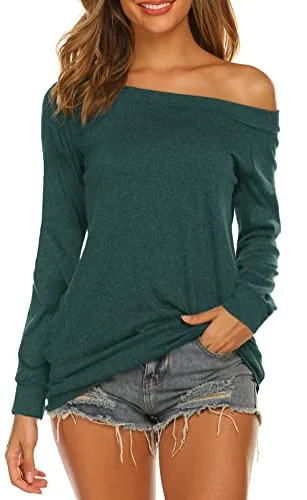
Long-Sleeve Boat Neck Tee, Green
long sleeve · boat neck · loose fit
4.3 out of 5 · 17,727 ratings
Size M only in this colour
$18.99
Plus sizes are graded, not redrawn
Most benches here run well past XL. A graded size means the same pattern scaled up with the proportions held: the sleeve still ends where a bracelet sits, the neckline still sits where it sat, the hem still lands in the same relationship to the hip. A redrawn plus size, which some labels do, changes those relationships and often lengthens the body while shortening the sleeve.
Here is the size ladder as it stands across the catalogue at the last update. It counts pages, so a size that exists in more colours counts higher.
| Size | Pages with a price | What it means on our patterns |
|---|---|---|
| XS | 5 | smallest step on most benches |
| S | 235 | the first step that exists in nearly every colour |
| M | 308 | the middle of the ladder |
| L | 321 | the most stocked size on this site |
| XL | 313 | where the plus grading starts on some patterns |
| 2XL | 260 | graded from the same pattern, not redrawn |
| 3XL | 63 | sleeve and neckline stay in proportion |
| 4XL and up | 71 | the top of the ladder, fewer colours |
Two practical notes. First, the larger steps exist in fewer colours, which is a stock fact rather than a design decision. Second, the advice about knits and wovens does not change with the size: a 3XL knit still gives and a 3XL woven still does not.
Shrinkage and the water temperature
A garment that fits when it arrives and does not fit after a month was not sized wrong. It was washed wrong.
The care rule is unusually clear about what a label must tell you here. It requires the tag to name the regular care a garment needs, to say whether it goes in by hand or by machine, and then to name a water temperature. That third line is the one that decides whether a garment stays the size you bought.
The label must also state a water temperature—in terms such as cold, warm, or hot—that may be used.
16 CFR 423, Electronic Code of Federal Regulations, read 6 September 2026
Note the wording of the third one: a temperature that may be used. It is a ceiling, not an instruction. Cold is always allowed and is almost always the right answer for anything on this site. Heat is what shrinks cotton, relaxes rayon into a longer, thinner version of itself, and takes the spring out of a knit.
The rule of thumb that follows: buy the size that fits now, wash it cold, and it stays the size that fits. Buying a size up to allow for shrinkage is planning for a wash you do not have to do.
The care guide on this site goes through the rest of that tag line by line, including what it must say about drying and what happens when you ignore it. It is the other half of this one: reading a care label.
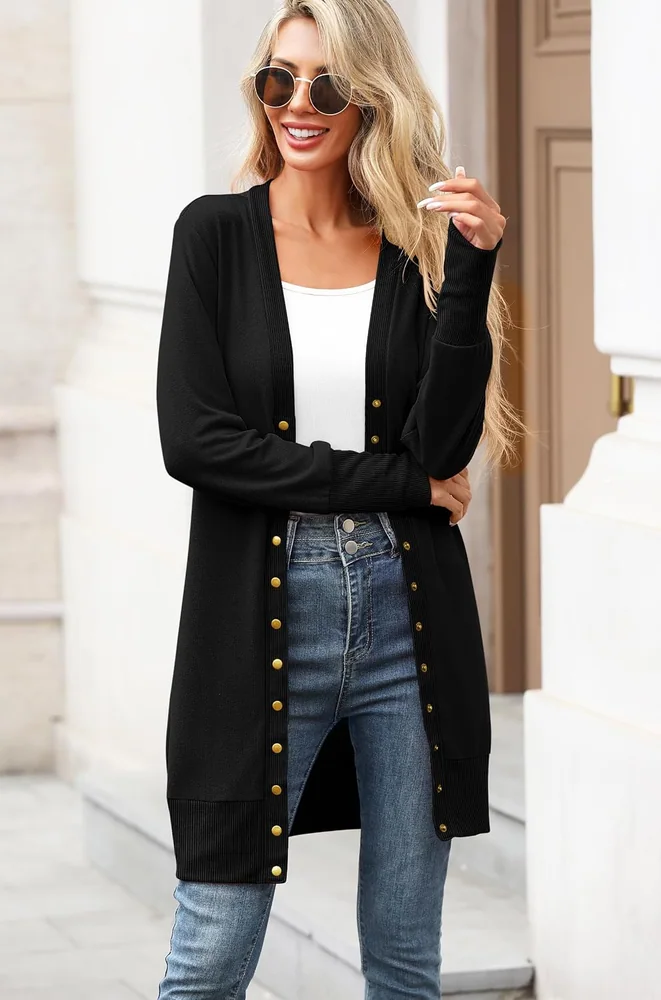
The benches, counted
Each bench behaves differently, and knowing which one you are shopping tells you which way to lean before you look at anything else.
| Bench | Pages with a price | Runs | Between two sizes |
|---|---|---|---|
| Dresses | 187 | true, cut loose | down for shape, up over a swimsuit |
| Swim Cover-Ups | 193 | generous by design | usual size |
| Tops & Blouses | 808 | true, cut loose | down on knits, up on wovens |
| Cardigans & Sweaters | 299 | a size generous to layer | usual size |
| Jackets & Outerwear | 14 | a size generous to layer | usual size |
| Skirts & Shorts | 75 | true, cut loose | smaller for a natural waist |
The filters on each bench page work on the same facts: colour, size, sleeve, length and features such as pockets or smocking. Two filters at once narrow the list to what has both, which is the fastest way to find, say, a 2XL tunic with pockets.
One bench sits slightly outside this advice. Cover-ups are cut so generously that the between-sizes question mostly disappears, and the thing that actually matters there is what the fabric does when it is wet. That is a different guide: what a cover-up covers.
The other place the rule bends is anything with a smocked panel. Smocking is elastic thread sewn in rows, and it stretches further than the fabric around it, so a smocked bodice forgives a size in either direction at the bust while the hem and the shoulder still behave like the fabric they are cut from. If a smocked dress is your first Halife piece, take your usual size and judge the rest from there.
What a size chart cannot do
Three honest limits.
It cannot tell you about your shoulders. The shoulder is the one measurement a chart never lists and the one that decides whether a pattern suits your frame at all.
It cannot account for a bra. The same body measures differently in different underwear, and the difference is more than the gap between two sizes on some benches.
It cannot predict a fabric it has not been told about. Where a label does not state a fibre breakdown, our page does not print one, and in that case the knit-or-woven rule has to be judged from the photograph and the drape.
None of that is a reason to skip the measuring. It is a reason to measure the garment rather than trust the letter on the tag.
Five minutes, in order
- Measure something you own. Flat, armhole to armhole, doubled. Then shoulder seam to hem. Write both on your phone.
- Decide knit or woven from the fibre line on the page. Cotton and rayon jersey with spandex is a knit. Poplin, chiffon and linen with no stretch listed is a woven.
- Lean the right way. Smaller on a knit, larger on a woven, usual size on anything cut generous.
- Check the length number against your own if you are much taller or shorter than average, especially on maxi dresses and tunics.
- Read the size row on the page. If your step is missing, look at the colour row before you look at a different size.
- Wash it cold. The size that arrives is the size you keep.
Sources
- 16 CFR 303.16, Textile Fiber Products Identification Act rules, Electronic Code of Federal Regulations, read 6 September 2026.
- 16 CFR 423, Care Labeling of Textile Wearing Apparel, Electronic Code of Federal Regulations, read 6 September 2026.
Before you go
More from tops
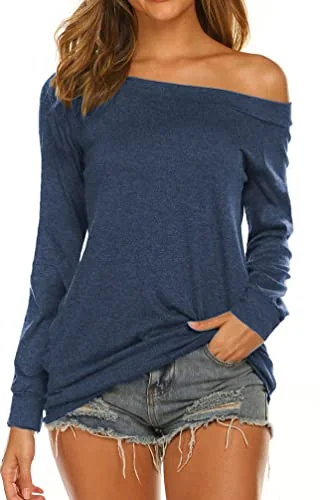
Long-Sleeve Boat Neck Blouse, Dark Blue
long sleeve · boat neck · loose fit
4.3 out of 5 · 17,727 ratings
Size S only in this colour
$18.99
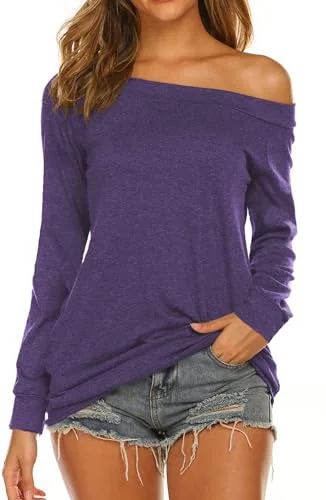
Long-Sleeve Boat Neck Top, Purple
long sleeve · boat neck · loose fit
4.3 out of 5 · 17,727 ratings
$19.99
Long-Sleeve Boat Neck Tunic Top, Black
long sleeve · boat neck · tunic
4.3 out of 5 · 17,727 ratings
Size M only in this colour
$14.99